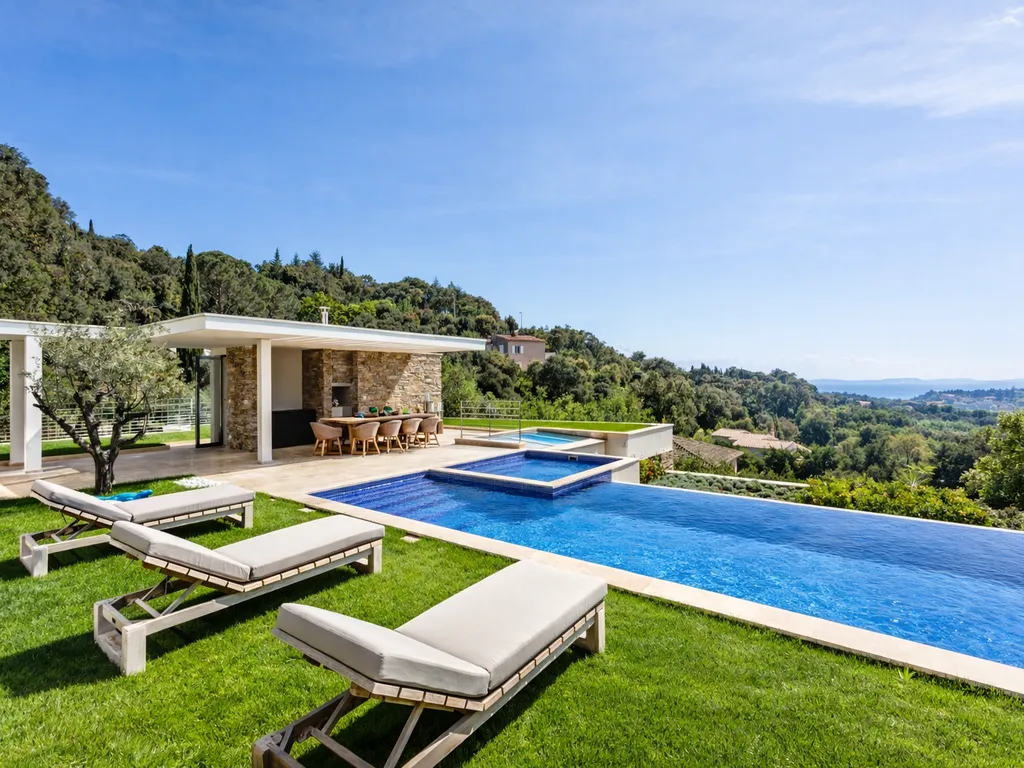
Top Summer Villas Plans: Architectural Layouts and Engineering Frameworks
The development of high-tier seasonal residences requires a deep understanding of architectural design, environmental engineering, and spatial logistics. Premium properties are no longer built using simple residential Blueprints. Instead, they are engineered as sophisticated ecosystems designed to handle extreme seasonal weather changes. The initial layout phase dictates how a building will perform for decades, influencing everything from mechanical efficiency to the daily comfort of its occupants.
Modern architectural practices have been forced to evolve due to shifting climate patterns and changing resource availability. Traditional coastal and alpine zones face increasing thermal stress, requiring more advanced solutions than basic structural cooling. Consequently, modern design planning must prioritize infrastructure resilience alongside aesthetic appeal. A layout that focuses only on visual symmetry may fail operationally during peak summer heat waves.
This analysis provides an objective framework for evaluating elite seasonal property blueprints. By exploring spatial configurations, structural thermodynamics, and long-term asset management protocols, this guide serves as a technical reference. The focus remains strictly on structural performance and architectural logic, omitting the speculative marketing narratives common in luxury real estate.
Understanding “Top Summer Villas Plans”
The concept of top summer villas plans involves much more than selecting an appealing layout from a design catalog. In professional architecture, these blueprints are analyzed as specialized spatial configurations designed to optimize micro-climate interactions. A plan achieves peak efficiency only when its structural boundaries, airflow channels, and foundational footprints align with the specific habits of its residents.
Thermal Boundaries
Elite blueprints must account for intense solar radiation during peak seasons. Large glass facades must be balanced with deep overhangs, structural cantilevers, and recessed window placements. If these elements are omitted, interior spaces will require continuous mechanical cooling, placing heavy strain on local electrical grids. Proper planning utilizes structural geometry to reduce heat entry while maximizing natural light.
Airflow Channels
Natural ventilation remains a key requirement for sustainable villa design. Efficient floor plans use cross-ventilation principles by placing window openings along prevailing wind pathways. Courtyard configurations, high ceilings, and open stairwells help draw warm air up and out of living areas. This structural approach minimizes dependency on artificial air conditioning during shoulder seasons.
Privacy Barriers
Multi-generational use requires careful spatial planning to ensure adequate acoustic and visual isolation. Modern open-concept designs must be balanced with private wings, soundproof sub-structures, and independent entry points. Shared areas should be placed centrally, while private suites are positioned along the outer edges of the blueprint. This layout strategy helps maintain individual privacy during extended periods of co-habitation.
Historical Architecture and Structural Design Evolution
The development of seasonal property design began with the ancient Mediterranean civilizations. Roman builders designed coastal estates that adjusted structurally to changing seasonal weather patterns. These early layouts featured central atriums, thick stone walls, and underground water channels designed to cool interior living areas. Spaces were arranged around internal courtyards to shield residents from harsh coastal winds while capturing evening breezes.
During the Renaissance, architectural planning evolved through the formal geometry of classic villas. Symmetry became a primary design requirement, with central great halls serving as core hubs for surrounding rooms. This structural organization improved natural airflow through balanced room arrangements. These classical principles established a baseline for proportion and ventilation that continues to influence high-end residential architecture.
Regional Adaptations
As international travel expanded in the nineteenth century, regional vernacular styles adapted to meet the demands of luxury seasonal living. Caribbean estates featured wide, wrapped verandas and raised foundations to improve airflow and mitigate moisture risk. In southern Europe, the courtyard layout was refined to create cool, shaded outdoor living spaces. These designs integrated indoor and outdoor areas without compromising structural security.
The Modern Matrix
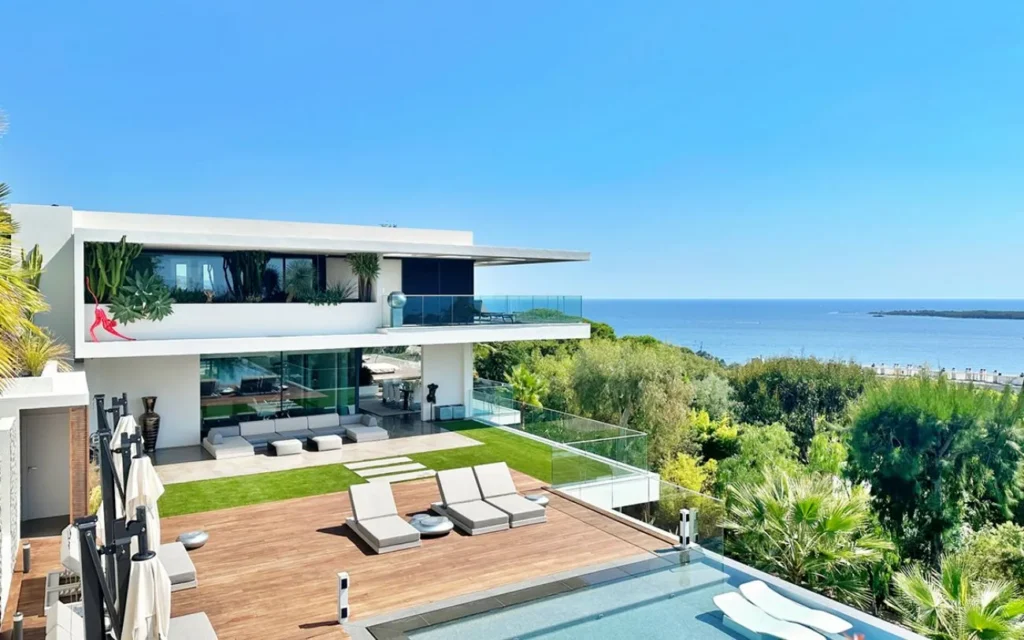
Today, seasonal property blueprints are designed as highly integrated technological systems. Modern engineering allows for expansive structural spans, automated sliding glass walls, and thin rooflines that blend into the surrounding landscape. The traditional focus on passive cooling is now supported by automated building management systems. This integration redefines how a luxury property operates during peak summer months.
Spatial Engineering Models for Property Layouts
Systematic analysis helps minimize design errors during the initial planning phases. By applying structured engineering models, architects can evaluate competing floor plans across different environments.
The Solar Radiance Model
This model maps seasonal solar paths against the property’s primary window exposures. It calculates the exact depth required for roof overhangs to block high-angle summer sun while letting in lower winter light.
-
Application: Essential for contemporary designs featuring large glass facades.
-
Limitation: Focuses on light and heat data, ignoring the artistic value of scenic views.
The Venturi Airflow Model
This model uses fluid dynamics to analyze how wind moves through a building’s interior layout. It optimizes the size and placement of windows to create natural pressure drops that draw cool air through living spaces.
-
Application: Critical for off-grid coastal properties and warm, humid climates.
-
Limitation: Requires consistent local wind patterns to function effectively.
The Acoustic Isolation Model
This model charts sound transfer across different zones of a floor plan. It uses structural buffers—such as utility rooms, closets, and open courtyards—to isolate noisy communal areas from quiet sleeping quarters.
-
Application: Vital for properties intended for multi-generational use or large guest groups.
-
Limitation: Can lead to broader, less compact floor plans that require more land.
Core Architectural Archetypes and Layout Typologies
Selecting from top summer villas plans requires a clear understanding of core architectural typologies. Each layout style offers distinct structural advantages and specific operational trade-offs.
Radial Pavilions
This layout features a central communal hub with independent wings extending outward. The design creates clear separation between different living zones, making it well-suited for hosting multiple guest groups.
-
Advantages: Excellent acoustic privacy, independent outdoor access for each wing, and flexible orientation for variable views.
-
Disadvantages: Requires a large building footprint, increases construction costs, and extends internal walking distances.
Linear Glass Pavilions
This style uses a long, single-axis floor plan where every room faces a primary view. The structure typically features thin frames and floor-to-ceiling glass to blend indoor and outdoor spaces.
-
Advantages: Maximizes natural light, provides consistent panoramic views, and offers direct terrace access from all rooms.
-
Disadvantages: Offers limited internal privacy, requires large solar shading systems, and increases heating and cooling demands.
Enclosed Courtyard Estates
Inspired by classic Mediterranean and Middle Eastern designs, this layout arranges all living spaces around a central, protected courtyard. The exterior walls remain largely solid, focusing views inward.
-
Advantages: Superior privacy from external surroundings, exceptional passive cooling performance, and protected outdoor living spaces.
-
Disadvantages: Restricts outward panoramic views, limits natural light in rear rooms, and requires careful drainage planning for the central courtyard.
Cross-Functional Structural Assessment
The following matrix evaluates primary villa layout archetypes across key operational and structural metrics.
Operational Dynamics and Spatial Use Case Profiles
Real-world scenarios demonstrate how different villa layouts perform under specific usage constraints. Analyzing these use cases helps guide layout selection based on practical needs.
Case A: The Extended Multi-Family Occupancy
A property must accommodate two families with young children for a two-month summer stay. The layout must support shared activities while providing distinct private areas to prevent routine disruption.
-
Layout Failure: A linear single-story floor plan with adjacent bedrooms often leads to noise disturbances and a lack of privacy.
-
Optimal Path: A radial pavilion blueprint. Placing family suites in separate wings connected by a central living pavilion allows for quiet mornings in sleeping quarters while children play in communal areas.
Case B: The Work-From-Home Executive Sanctuary
An executive requires a seasonal residence that functions as a high-security remote office while hosting family vacation activities. The workspace must remain completely isolated from daily household noise.
-
Layout Failure: An open-concept modern plan with an integrated mezzanine office leaves the workspace exposed to acoustic distractions from the main living areas below.
-
Optimal Path: An enclosed courtyard layout. Positioning the primary office suite on the opposite side of the courtyard from the kitchen and pool areas provides a quiet, professional environment with private access for business guests.
Financial Architecture, Resource Allocation, and Structural Valuations
The total cost of executing top summer villas plans includes expenses far beyond raw building materials. Foundations, mechanical integration, and structural engineering drive the final budget.
Foundation Engineering Costs
Complex terrains—such as steep coastal cliffs or sandy beachfronts—require specialized foundational engineering. Retaining walls, deep concrete pilings, and erosion control systems can significantly increase initial construction costs, often accounting for a large percentage of the structural budget.
Advanced Glazing Expenditures
Large glass walls require high-performance, multi-layered glazing to manage heat gain. Using low-emissivity coatings, argon gas insulation, and impact-resistant glass helps control interior temperatures but increases material costs substantially compared to standard residential windows.
Structural Budget Allocations
The following table provides a typical budget distribution for building a high-end seasonal villa, illustrating the balance between structural elements and mechanical systems.
Technical Execution Strategies and Procurement Frameworks
Successfully executing a luxury villa plan requires a structured procurement and management strategy. Relying on standard residential construction methods can lead to delays and cost overruns.
Using locally sourced stone, timber, and masonry products improves a building’s environmental integration and simplifies long-term maintenance. Local materials are naturally adapted to regional climate strains, reducing weathering risks compared to imported alternatives.
Advanced HVAC Integration
Modern blueprints require carefully integrated climate control systems. High-velocity ducts, radiant floor cooling, and energy-recovery ventilators must be planned early to avoid lowering ceiling heights or altering room proportions later in construction.
Technical Integration Requirement: All primary mechanical runs must be drawn in three-dimensional models before fabrication begins. This precaution prevents structural conflicts between steel supports, plumbing lines, and air ducts.
Automated Building Management Systems
Modern seasonal properties rely on centralized automation to manage energy use efficiently. Integrated systems coordinate motorized window shades, HVAC settings, and pool filtration based on real-time weather data, protecting the structure even during vacant periods.
Risk Taxonomy and Structural Vulnerability Metrics
High-end seasonal properties face distinct environmental risks that can impact their structural integrity and long-term value. Managing these hazards requires identifying potential failure points early in the design phase.
Coastal Erosion Risks
Beachfront properties are continuously exposed to wave action, rising sea levels, and storm surges. Blueprints must incorporate deep pile foundations and protective landscaping to prevent structural undermining during extreme weather events.
Extreme Thermal Loading
Extended heat waves place heavy demands on a building’s structural integrity and cooling systems. Poorly insulated roofs or insufficient ventilation channels can cause heat to build up in framing materials, leading to warping, finish cracking, and high energy costs.
Moisture Intrusion and Mold
Humid coastal environments require careful moisture management. Improperly detailed vapor barriers, lack of drainage cavities behind exterior finishes, or inadequate ventilation in unconditioned spaces can cause hidden mold growth, compromising indoor air quality and structural safety.
Architectural Governance, Lifecycle Maintenance, and Layout Adaptation
Maintaining a villa’s structural integrity requires an active asset management strategy. Neglecting routine maintenance during the off-season can lead to unexpected repair needs and lower overall asset performance.
Off-Season Facility Stabilization
When a property sits vacant for months at a time, it remains vulnerable to moisture buildup and mechanical issues. A professional governance framework employs local managers to cycle HVAC systems, inspect roofing seals, and check security perimeters weekly to ensure the building remains stable.
Seasonal Recommissioning Timelines
Preparing a villa for summer occupancy requires a structured timeline. This process should begin 45 to 60 days before guests arrive, allowing ample time for deep cleaning, pressure testing water systems, servicing backup generators, and updating automation systems.
Systemic Maintenance Protocol
The following layered checklist outlines the essential maintenance steps required to keep a premium seasonal property operationally ready.
Engineering Diagnostics, Performance Indicators, and Structural Tracking
Evaluating a property’s efficiency requires tracking clear technical data points alongside qualitative comfort metrics. This comprehensive approach helps ensure the building performs optimally throughout the high season.
Technical Performance Metrics
Property managers should monitor specific data points to spot potential maintenance issues before they cause system breakdowns during a tenancy.
-
Thermal Efficiency Ratio: Compares interior temperatures against external heat levels to assess insulation performance.
-
Air Change Efficiency: Tracks how quickly natural ventilation clears interior air, verifying airflow design success.
-
Peak Power Demand Factors: Monitors maximum electrical loads during high-occupancy periods to prevent grid breaker trips.
Qualitative Comfort Indicators
While technical data provides valuable insights into mechanical performance, overall property success also depends on subtle lifestyle factors that impact the daily experience of residents.
-
Acoustic Buffer Integrity: Measures how effectively the layout prevents sound transfer between living areas and sleeping wings.
-
Circulation Natural Flow: Evaluates how easily guests can move between indoor living areas and outdoor terraces.
-
Daylight Distribution Balance: Assesses whether interior spaces receive consistent natural light without creating harsh glare or hot spots.
Deconstructing Design Myths and Layout Oversimplifications
The seasonal residential market is often influenced by design trends that prioritize appearance over long-term functionality. Addressing these common misconceptions helps clarify practical planning needs.
Myth 1: Larger Open Spaces Are Always Preferable
Expansive open floor plans look impressive in concept drawings but often present functional challenges. They can be difficult to cool efficiently, offer limited acoustic privacy, and often lack the cozy, intimate areas needed for daily relaxation.
Myth 2: Glass Facades Provide Perfect Indoor-Outdoor Integration
Floor-to-ceiling glass walls offer beautiful views but require careful engineering to remain practical. Without proper shading, low-E coatings, and well-planned structural frames, they can turn living rooms into uncomfortable green houses during peak summer afternoons.
Myth 3: Traditional Vernacular Designs Are Inherently Outdated
Classic architectural styles are often dismissed as old-fashioned, yet they incorporate centuries of effective regional climate adaptation. Features like deep verandas, central courtyards, and thick stone walls provide reliable, energy-efficient cooling that modern designs often struggle to match without heavy mechanical support.
Environmental Integration, Regulatory Codes, and Urban Planning
The development of modern seasonal residences must respect local environmental limits and regional zoning laws. Sustainable planning ensures long-term property viability while minimizing local ecological impact.
Native Landscaping and Water Conservation
Traditional grass lawns and non-native ornamental gardens require significant watering, which can strain local supplies in arid summer destinations. Sustainable blueprints feature native, drought-tolerant landscaping that blends into the natural environment and relies on rainwater collection networks.
Compliance with Local Zoning Regulations
Municipalities in popular seasonal regions continue to update building codes to manage overdevelopment. These rules often specify strict limits on building height, shoreline setbacks, and maximum lot coverage. Designing within these legal boundaries prevents costly construction delays and legal challenges.
Systemic Synthesis and Analytical Overview
Successfully executing top summer villas plans requires shifting focus away from passing design trends toward timeless engineering principles. A property’s true value depends on its structural layout, environmental efficiency, and long-term durability. By prioritizing balanced floor plans, proper solar orientation, and durable materials, owners and architects can create sustainable, comfortable sanctuaries that perform reliably for generations.