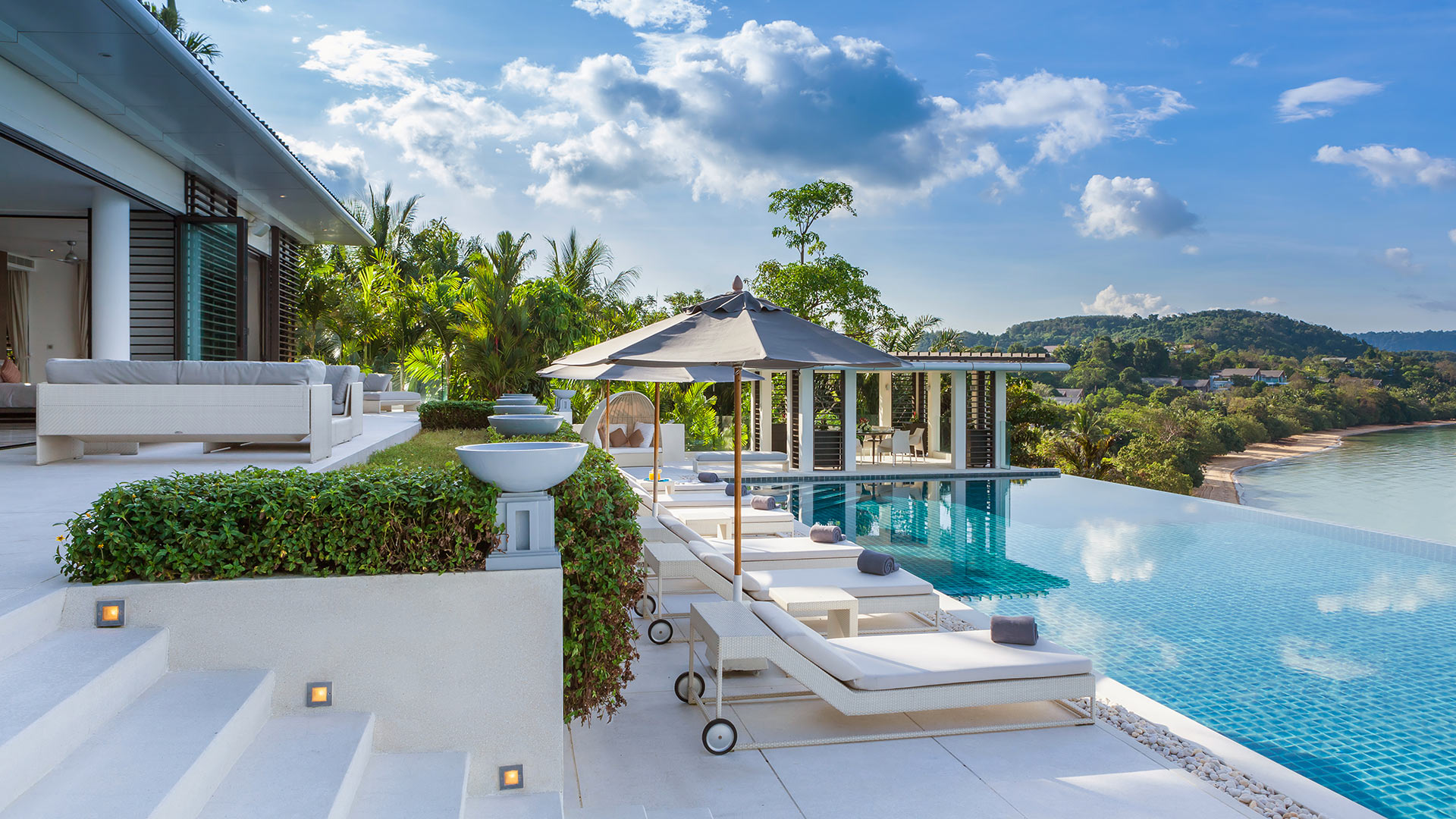
Best Summer Villas Options: The Definitive Luxury Rental Guide
The global seasonal rental market has undergone a significant structural shift. High-net-worth travelers no longer view premium seasonal properties merely as upscale alternatives to five-star hotels. Instead, these properties are now evaluated as complex residential environments. The process of identifying, securing, and managing these assets requires balancing architectural preferences, localized micro-climates, and legal frameworks. A fragmented marketplace often complicates this selection process, as standard booking platforms frequently obscure the operational realities of elite properties.
Concurrently, regional climate patterns have altered traditional peak seasons across major geographical corridors. Classic Mediterranean and Caribbean destinations now experience unexpected weather volatility, shifting thermal comfort zones, and localized utility strain. Consequently, selecting a property requires analyzing infrastructure resilience alongside aesthetic appeal. A villa that appears optimal in promotional media may present substantial functional deficits during periods of peak seasonal demand.
This analysis establishes a comprehensive framework for evaluating premium seasonal properties globally. By examining architectural typologies, contractual mechanics, and risk management protocols, this guide serves as a baseline resource for prospective lessees. The objective remains focused on objective operational parameters, leaving aside the speculative marketing narratives that often complicate the luxury rental sector.
Understanding “Best Summer Villas Options”
The phrase “best summer villas options” is frequently reduced to a subjective ranking of visually impressive properties. In professional asset management, however, the concept demands a more rigorous definition. A property qualifies as an optimal seasonal option only when its architectural envelope, localized infrastructure, and legal status align with the specific operational requirements of the occupant. Oversimplifying this selection process often leads to significant friction during residency.
Architectural Alignment
An elite property must complement the behavioral patterns of its occupants. Spatial distribution dictates daily utility, meaning that open-plan contemporary layouts may compromise privacy during multi-generational occupancy. Conversely, historical estates often feature segmented floor plans that restrict communal gathering spaces. Effective evaluation prioritizes volumetric efficiency, acoustic isolation, and circulation pathways over superficial interior design trends.
Environmental Engineering
Thermal dynamics represent a critical, yet frequently ignored, variable in property selection. Modern glass-fronted structures facing southwest require advanced HVAC systems to counteract solar heat gain. Historical masonry structures utilize thermal mass to maintain stable interior temperatures naturally, though they often lack uniform climate control zones. Understanding these engineering differences prevents systemic discomfort during mid-summer peak temperatures.
Legal and Logistical Protections
The regulatory landscape governing short-term luxury tenancies has grown increasingly complex. Municipalities globally continue to implement strict zoning laws, noise ordinances, and occupancy limits that directly impact villa operations. A failure to verify a property’s local licensing compliance can result in sudden tenure termination or unexpected legal liability for the lessee.
Historical and Systemic Evolution of Seasonal Estates
The practice of seasonal migration to dedicated secondary estates originated in the Roman Republic. Elite citizens routinely escaped urban heat by retreating to coastal villas in Baiae or agricultural estates in the Sabine Hills. These early properties served a dual purpose, functioning simultaneously as centers for agrarian production and private sanctuaries for intellectual retreat. The structural layout emphasized interior courtyards, passive water cooling, and architectural orientation designed to capture prevailing sea breezes.
The Renaissance Shift
During the Italian Renaissance, the villa archetype evolved through the architectural innovations of Andrea Palladio. The Veneto countryside became a testing ground for structural symmetry, geometric proportion, and integration with the surrounding landscape. Palladian designs elevated the rural estate into a symbol of humanistic philosophy, blending agricultural functionality with classical temple aesthetics. This period established the architectural vocabulary that still influences neo-classical premium estates globally today.
The Rise of the Leisure Corridors
The nineteenth and early twentieth centuries introduced the concept of the dedicated leisure coastline. The development of rail infrastructure enabled British and European aristocrats to establish winter and summer colonies along the French Riviera and Amalfi Coast. This era transformed architectural requirements, shifting the focus from productive agricultural land to dramatic cliffside topography. Properties constructed during this period prioritized expansive viewing terraces, formal sub-tropical gardens, and dedicated staff quarters designed to support complex social entertaining.
The Modern Technological Baseline
Today, the premium seasonal property operates as a highly integrated technological ecosystem. Contemporary architectural demands focus on minimizing environmental impact while maximizing automated comfort. Modern structural designs incorporate advanced home automation, off-grid water filtration, and complex security perimeters. The historical emphasis on passive climate adaptation has been supplemented by active building management systems, redefining the baseline expectations for global property performance.
Conceptual Frameworks for Property Evaluation
Systematic evaluation minimizes the emotional biases that frequently complicate luxury real estate procurement. By applying structured mental models, prospective occupants can objectively assess competing properties across disparate geographic regions.
The Thermal Envelope Model
This framework analyzes how a structure interacts with its immediate micro-climate. It evaluates the building’s insulation efficiency, glazing specifications, and shading orientation. The model quantifies the mechanical energy required to maintain optimal interior conditions during extreme heat events.
-
Application: Useful when comparing ultra-modern glass pavilions with traditional stone masonry estates.
-
Limitation: It focuses exclusively on physical variables, ignoring the qualitative aspects of spatial design.
The Operational Perimeter Index
This index measures the logistical accessibility of a property relative to essential external services. It maps the transit times for emergency medical response, provisioning logistics, and private aviation terminals.
-
Application: Critical for remote island locations or secluded mountain cliffside estates.
-
Limitation: A high accessibility score often correlates with a reduction in absolute privacy.
The Spatial Autonomy Matrix
This model evaluates the interior and exterior layouts to determine how effectively a property can support diverse occupant groups simultaneously. It charts the physical distance between primary suites, guest quarters, and communal areas to guarantee acoustic and visual privacy.
-
Application: Essential for multi-generational travel or corporate retreats.
-
Limitation: Implementing this model strictly may lead to fragmented property layouts that lack cohesive design focus.
Typologies and Architectural Classifications
Selecting among the best summer villas options requires a precise understanding of distinct architectural typologies. Each archetype presents unique structural advantages and clear operational liabilities.
Cliffside Mediterranean Estates
Characterized by tiered, multi-level construction carved directly into coastal rock faces, these properties offer panoramic views and immediate maritime access. They typically utilize local stone, stucco finishes, and deep loggias to manage intense solar radiation.
-
Advantages: Exceptional visual isolation, private deep-water anchorage potentials, and optimized western exposure for sunset viewing.
-
Disadvantages: Fragmented vertical circulation, extensive stairways that challenge mobility, and continuous exposure to corrosive saline air.
Contemporary Glass Pavilions
These designs feature minimalist steel frames, floor-to-ceiling structural glazing, and expansive open floor plans. They blur the boundary between interior living spaces and outdoor infinity terraces.
-
Advantages: Maximized natural light integration, highly customizable modular spaces, and state-of-the-art building management systems.
-
Disadvantages: Significant solar heat gain requiring continuous HVAC operation, limited internal acoustic isolation, and reduced privacy if not situated within a large land perimeter.
Historical Colonial Plantations and Fincas
These properties feature thick masonry walls, wrapped verandas, central cooling courtyards, and traditional tiled roofing. They are typically set within expansive inland or elevated acreage.
-
Advantages: Excellent passive cooling characteristics, expansive acreage providing absolute privacy, and distinct historical character.
-
Disadvantages: Outdated electrical grids, variable plumbing reliability, and strict historical preservation laws that prevent rapid structural modifications.
Multi-Variable Comparative Matrix
The following matrix provides an objective comparison of primary villa typologies based on critical operational metrics.
Operational Scenarios and Decision Logic
Real-world applications reveal how property characteristics behave under specific, constrained conditions. The following scenarios demonstrate how different structural elements perform under practical usage constraints.
Scenario A: The Multi-Generational Family Gathering
An extended family consisting of three generations requires occupancy for a six-week summer term. The group includes elderly members with limited mobility and young children requiring continuous supervision.
-
Property Selection Failure: Choosing a cliffside multi-level Mediterranean villa with dramatic stone stairways and infinity pool edges creates continuous safety hazards and limits accessibility for elderly guests.
-
Optimal Path: Selecting an expansive, single-level contemporary pavilion or a restored flat-acreage finca. This layout ensures zero-step transitions between interior suites and pool decks, maximizing communal visibility while retaining isolated wings for privacy.
Scenario B: The High-Security Corporate Retreat
A technology executive requires a summer property to host confidential strategic meetings while maintaining standard family vacation functions. The location must offer absolute digital and physical security.
-
Property Selection Failure: A beachfront pavilion with extensive glazing located near a public access corridor allows long-range optical surveillance and easy physical approach.
-
Optimal Path: An inland, elevated historical estate surrounded by natural topographical barriers and private acreage. The thick stone walls provide natural acoustic dampening against internal eavesdropping, while the limited entry gates simplify physical security details.
Financial Architecture, Capital Outlay, and Hidden Costs
The true cost of acquiring and operating one of the best summer villas options extends far beyond the base rental rate. Lessees must calculate a complex matrix of ancillary expenses to understand their total financial exposure.
Utility Surcharges in High-Demand Periods
During peak summer months, running large-scale HVAC systems, heating infinity pools, and operating desalination units can generate substantial utility costs. In regions like the Greek Islands or the French Riviera, electrical grids often impose tiered pricing during peak demand periods. This can result in monthly utility bills that equal a significant percentage of the base rental cost.
Staffing Logistics and Gratuitous Capital
Elite properties require specialized personnel to remain functional. While some properties include a basic houseman or maid, comprehensive operations demand a chef, sous-chef, butler, and dedicated security personnel. Lessees must account for sourcing fees, local labor tax compliance, and traditional gratuity structures, which generally range between 10% and 20% of the base charter value.
The Dynamics of Financial Planning
The following table outlines the expected cost distribution for a typical four-week tenancy of a premium property, demonstrating the relationship between fixed and variable capital.
Strategic Sourcing and Procurement Protocols
Navigating the premium villa market requires a structured approach to sourcing and contract execution. Relying on open-market digital platforms often exposes the lessee to misrepresentation and operational risk.
The most reliable properties are rarely listed on public booking engines. Instead, they are held within private asset portfolios managed by specialized boutique agencies or law firms. Accessing these off-market options requires established relationships with trusted intermediaries who can verify the current structural and legal status of the estate before entering formal negotiations.
Contractual Protections and Addenda
Standard lease templates are generally insufficient for high-value seasonal tenancies. A customized contract must include detailed riders governing utility uptime guarantees, specific staff retention clauses, and clear indemnification frameworks for equipment failure.
Critical Clause Requirement: The contract should specify that if the primary HVAC system or water filtration network fails and cannot be repaired within 24 hours, the lessee is entitled to immediate partial rent abatement or alternative luxury accommodation.
Pre-Arrival Verification Protocols
Before taking occupancy, the lessee’s representative should conduct an independent physical audit of the property. This inspection must confirm the functionality of all mechanical systems, verify internet bandwidth capacity across the entire perimeter, and ensure that the staff has completed background checks. This protocol prevents logistical disruptions on the official move-in date.
Risk Taxonomy and Structural Failure Modes
High-value tenancies are subject to unique risks that can compromise the safety, privacy, or comfort of the occupants. Managing these risks effectively requires establishing a clear taxonomy of potential failure modes.
Infrastructure Breakdown
This failure occurs when localized utilities cannot support the property’s structural demands. Examples include grid failures during heatwaves, sudden drops in municipal water pressure, or the failure of satellite communication links. Remote destinations are particularly susceptible to these infrastructure strains.
Physical Security Violations
Properties with high public visibility can attract unwanted attention from paparazzi, drones, or localized criminal elements. A failure to establish a secure perimeter—such as utilizing unmonitored gates or lacking smart thermal sensors—can directly compromise the privacy and safety of the occupants.
Ecological Shifting
Rapidly changing weather patterns can quickly diminish the appeal of a coastal property. Unanticipated algae blooms, sudden infestations of marine life like jellyfish, or unseasonal mistral winds can render private beaches and outdoor spaces unusable for extended periods during the tenancy.
Long-Term Governance, Maintenance, and Asset Management
For owners of premium properties, maintaining a villa’s status as a top-tier summer option requires a rigorous year-round asset management protocol. Neglecting routine maintenance during the off-season can lead to rapid structural deterioration and a decline in future rental value.
Off-Season Preventative Maintenance
When a property sits vacant during winter, it remains vulnerable to moisture intrusion, pest infestation, and mechanical stagnation. A comprehensive governance framework requires employing a year-round property manager to run HVAC systems weekly, check structural seals, and service water purification systems. This ongoing oversight ensures that all core infrastructure remains functional ahead of the next high-demand season.
Seasonal Transition Protocols
The transition from winter dormancy to summer readiness demands a structured timeline. This process should begin at least 60 days before the first tenancy, allowing sufficient time for deep cleaning, pool resurfacing, cosmetic painting, and updating all digital network firmware.
Performance Metrics and Evaluation Frameworks
Evaluating the performance of a premium seasonal villa requires tracking both quantitative technical metrics and qualitative lifestyle indicators. This dual approach ensures a balanced assessment of the property’s overall utility.
Technical Performance Metrics
Property managers should monitor specific operational data points throughout the high season. These data streams help identify underlying maintenance issues before they cause system failures during a tenancy.
-
HVAC Duty Cycle: Tracks the runtime percentage required to maintain a set interior temperature, indicating insulation and compressor efficiency.
-
Network Latency and Throughput: Monitors data upload/download consistency across the property, ensuring reliable connectivity for remote work.
-
Desalination Output Volume: Measures the daily production of potable water against total property consumption to confirm self-sufficiency.
Qualitative Lifestyle Indicators
While technical data points provide essential operational insights, the overall success of a luxury tenancy often depends on nuanced, qualitative factors. These indicators reflect how well the property supports the daily routines of its occupants.
-
Acoustic Isolation Integrity: Evaluates how effectively the property filters out external environmental noise, ensuring quiet living spaces.
-
Service Response Efficiency: Measures the speed and accuracy with which the property staff resolves unexpected operational requests.
-
Circulation Logic: Assesses how naturally the property’s layout accommodates simultaneous communal activities and private retreats.
Deconstructing Industry Misconceptions
The premium short-term rental market is frequently influenced by speculative narratives that distort reality for owners and lessees alike. Addressing these common misconceptions helps clarify expectations.
Myth 1: Premium Pricing Always Guarantees Flawless Operation
A high rental price tag does not automatically insulate a property from mechanical failures or logistical challenges. Often, historically significant villas command top-tier rates based on their architectural heritage or prestigious location, despite relying on older infrastructure that may be prone to unexpected service disruptions.
Myth 2: Visual Portfolios Accurately Represent Current Conditions
Promotional media campaigns are designed to showcase a property in its best light, often using wide-angle photography and staging techniques from previous years. These images can obscure recent wear, neighboring construction projects, or changes to the surrounding coastline. A physical or live-video walkthrough remains essential for accurate verification.
Myth 3: Direct Proximity to the Waterline Is Always Preferable
While beachfront placement offers immediate water access, it also exposes the property to continuous maritime humidity, public foot traffic, and corrosive saline air. Elevated or slightly set-back properties frequently offer superior privacy, more stable micro-climates, and expansive panoramic views that lower-elevation beachfront estates cannot provide.
Ethical, Environmental, and Regulatory Vectors
The operation of high-end seasonal estates increasingly intersects with broader social, environmental, and legal trends. Sustainable property management requires addressing these considerations directly.
Resource Management in Fragile Ecosystems
Many premium summer destinations operate within remote island regions or areas facing systemic resource scarcity. Elite villas, with their high energy consumption and water demands, can place significant stress on local infrastructure. Integrating solar arrays, smart water management systems, and eco-conscious waste processing helps reduce a property’s local environmental footprint.
Navigating Evolving Regulatory Frameworks
Municipal governments continue to introduce stricter rules to balance luxury tourism with local community needs. These regulations frequently include caps on short-term rental durations, precise noise level limits, and updated zoning restrictions. Ensuring strict legal compliance protects property owners from sudden administrative penalties and guarantees long-term operational stability.
Synthesis and Systemic Conclusion
Selecting among the best summer villas options requires a methodical approach that balances architectural preferences, operational practicalities, and financial realities. Moving past the superficial appeal of promotional photography allows lessees and owners to focus on what truly matters: structural integrity, reliable infrastructure, and solid contractual protections.
Ultimately, the value of a premium seasonal villa depends on its ability to perform reliably during peak usage periods. By applying structured evaluation models and maintaining rigorous operational standards, stakeholders can protect their investments and ensure a seamless, high-quality experience season after season.