Architectural Selection Matrix: Finding the Best Summer Villas for Family Reunions
Best summer villas for family reunions. The organization of an extended multi-generational gathering requires a transition from standard hospitality selection to complex logistics and spatial engineering. When dozens of individuals spanning eight decades of life accumulate under a single roof, the accommodation ceases to be a mere backdrop. It functions instead as a closed social ecosystem. Traditional booking metrics, which prioritize aesthetic appeal and simple bedroom counts, systematically fail to account for the friction generated by dense, prolonged family interactions.
A successful seasonal gathering demands an estate that can balance communal integration with individual autonomy. Without deliberate structural segregation, properties become pressure cookers of sensory overload and scheduling conflicts. The selection process must therefore be approached with structural analysis and architectural foresight.
Securing an asset that mitigates interpersonal friction while optimizing collective experience requires an understanding of structural flows. This structural framework underpins the selection of high-capacity residences. It evaluates properties not by their superficial luxuries, but by their capacity to absorb diverse operational demands.
The following analysis establishes a comprehensive framework for identifying, vetting, and managing premier properties. It treats the family reunion not as a casual vacation, but as an enterprise-grade operational event requiring meticulous risk management, architectural alignment, and long-term adaptation strategies.
Understanding “best summer villas for family reunions”
To properly evaluate the best summer villas for family reunions, one must look beyond superficial marketing descriptions. Real estate platforms frequently misclassify high-capacity single-family homes as specialized reunion estates. A true multi-generational villa asset is an entirely distinct class of property. It is architecturally engineered to support concurrent, conflicting human activities without allowing those activities to degrade the structural harmony of the group.
A common oversimplification assumes that a high bedroom count automatically qualifies a property for large-scale family occupancy. This focus on bed capacity ignores the critical ratio of communal square footage to private retreat space. If twenty guests are forced to share a singular main pavilion for dining, leisure, and morning transit, operational bottlenecks emerge. These bottlenecks quickly lead to collective fatigue. The optimal property must provide an intentional balance of high-volume gathering hubs and isolated residential pockets.
The concept of luxury also shifts dramatically when applied to family gatherings. High-end design elements like minimalist floating staircases, open-air infinity drops, and exposed glass panels present severe physical hazards for toddlers and elderly family members. A property must be evaluated through the lens of universal design. True quality in this niche lies in an estate’s capacity to provide psychological comfort, acoustic isolation, and physical safety across every age bracket simultaneously.
Deep Contextual Background of Estate Dynamics
The emergence of private estates configured specifically for extended family groups traces its origins back to traditional European compound models. Historically, aristocratic estates in regions like Tuscany, the French Riviera, and Andalusia were engineered as decentralized clusters of buildings. These compounds allowed agrarian or familial networks to operate as a cohesive unit while maintaining distinct domestic boundaries across different branches of the lineage.
The mid-twentieth century shift toward centralized, single-structure luxury homes disrupted this balance. It prioritized grand, singular statements over functional internal zoning.
In recent years, the market has seen a strong resurgence of interest in decentralized luxury assets. This shift is driven by a growing preference for privacy and control over shared resort spaces, as well as the steady expansion of global wealth. High-net-worth families increasingly view the private summer villa as a temporary corporate headquarters for the family unit. Here, legacy preservation, emotional reconnection, and cross-generational mentoring happen away from public view.
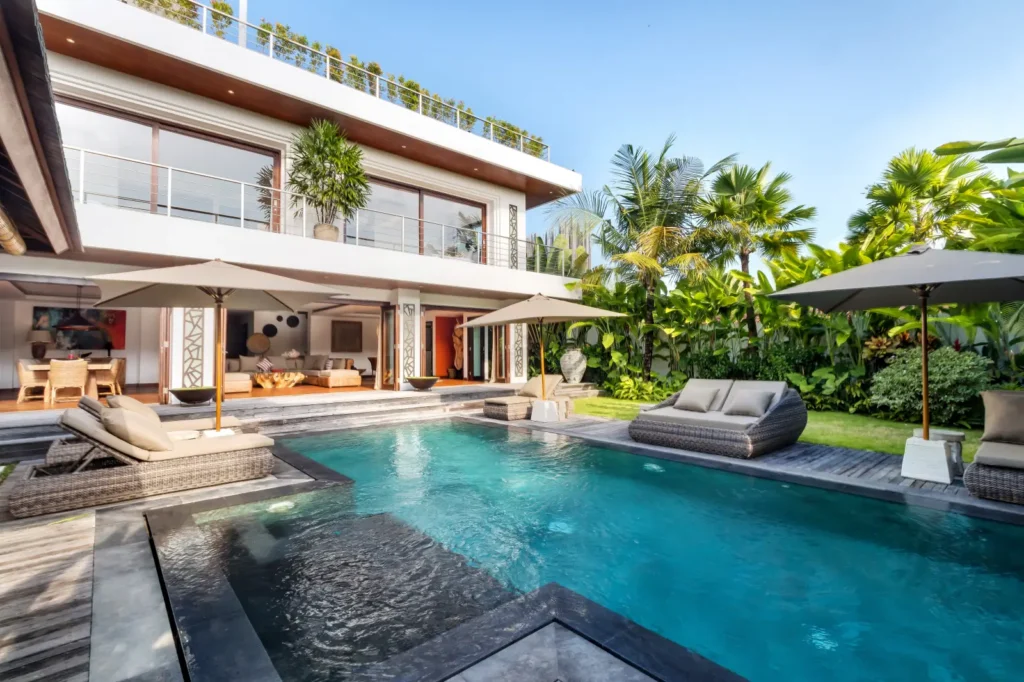
Modern real estate development has adapted to these needs by creating hyper-specialized residential compounds. These properties feature independent guest houses, detached master casitas, and centralized dining pavilions connected by covered breezeways. This architecture reflects an understanding of modern social dynamics: family cohesion is preserved longest when individuals have the uncompromised option to withdraw into complete isolation.
Conceptual Frameworks and Mental Models
Vetting high-capacity summer estates requires rigorous analytical tools. Relying on simple intuition or aesthetic attraction often leads to major operational oversimplifications. The following four mental models help structured planners objectively evaluate how a property will perform under the distinct pressures of a multi-family reunion.
The Acoustic Isolation Model
This framework analyzes the physical distance and structural sound barriers between active social areas and quiet rest zones. Sound moves easily across open-plan architecture. A premium villa must feature distinct acoustic boundaries, ensuring that late-night activity in a media lounge or outdoor pool pavilion cannot reach bedrooms reserved for early sleepers or young children.
The Autonomy-to-Gathering Ratio (AGR)
This metric measures the balance between private living space and communal areas. It is expressed through a straightforward formula:
An AGR that balances these spaces ensures that guests do not feel trapped in either constant isolation or forced socialization. Ideal properties lean toward a balanced ratio, offering expansive private retreats alongside large, comfortable group spaces.
Universal Spatial Accessibility (USA)
This model maps the path of travel for the most physically limited member of the group across all core amenities. If accessing the primary dining deck requires navigating stone steps or uneven terrain, the property is functionally flawed for multi-generational use. The layout must allow seamless transit across dining, leisure, and sleeping zones without relying on stairs or difficult paths.
Thermal and Resource Redundancy
This approach evaluates an estate’s infrastructure under maximum load. Summer reunions place extreme demands on air conditioning systems, water heaters, and wireless networks. The framework looks for properties with commercial-grade backup systems, localized climate control zones, and multi-source utility inputs. This ensures that a peak-demand afternoon does not trigger a widespread system failure.
Key Categories and Asset Variations
The architectural style and regional profile of an estate dictate its operational advantages and limitations. Choosing the right style requires weighing these distinct structural trade-offs against the specific needs of the family group.
Historic European Hamlets
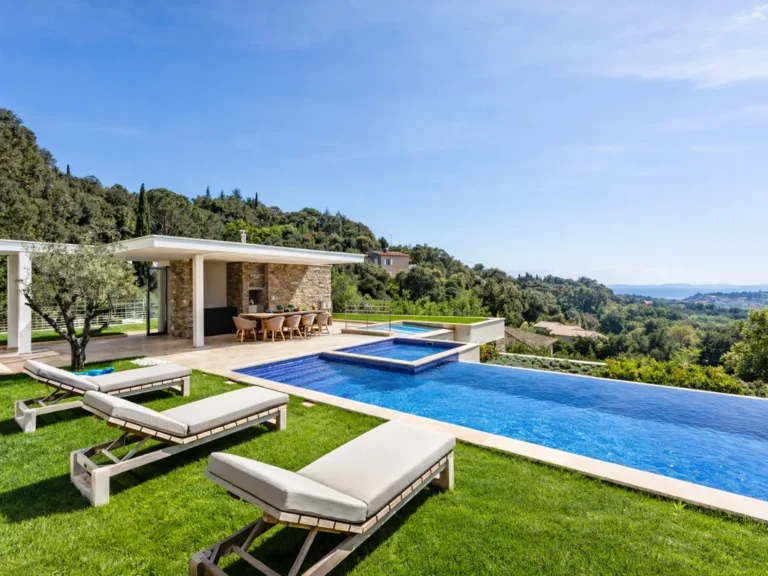
These properties typically consist of restored agricultural compounds, stone estates, or decentralized villages in regions like Umbria, Tuscany, or Provence. They offer unparalleled privacy and authentic charm, often featuring multiple independent structures surrounding a central courtyard. However, their historic nature can mean limited accessibility, retrofitted and sometimes unpredictable climate control, and layouts that require walking across uneven terrain between buildings.
Contemporary Coastal Mega-Villas
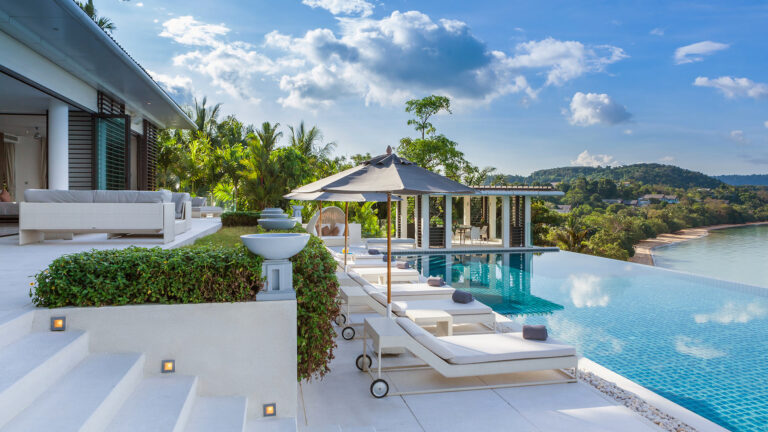
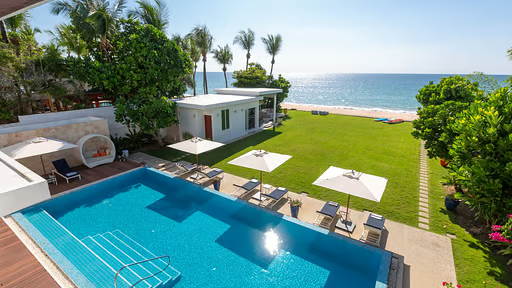
Found in prime beach destinations like Mykonos, Mallorca, or the Caribbean, these estates emphasize sleek design, expansive glass walls, and infinity pools. They excel at providing indoor-outdoor living, modern smart-home integration, and direct beach access. On the downside, their open layouts and hard minimalist surfaces can create echo chambers that amplify sound, while open pool edges and multi-level balconies require constant vigilance with young children.
North American Mountain Lodges
Located in alpine areas such as Aspen, Jackson Hole, or Whistler, these massive timber-and-stone estates feature vaulted ceilings, expansive great rooms, and large hearths. They are exceptionally well-suited for large communal meals and cozy evening gatherings. However, they are frequently built into hillsides, resulting in multi-level vertical layouts that depend heavily on staircases, which can isolate older guests or those with limited mobility.
Private Island Compounds
These hyper-exclusive properties in regions like the Bahamas or French Polynesia offer total privacy, dedicated professional staff, and absolute control over the environment. They provide an unmatched level of security and insulation from the outside world. The primary trade-off is logistical complexity; these destinations require complex boat or helicopter transfers, and sourcing emergency medical care or specialized supplies takes significantly longer.
Architectural Typology Matrix
| Typology | Primary Spatial Advantage | Operational Constraint | Accessibility Rating | Infrastructure Risk |
| Historic Hamlet | Exceptional structural separation between families | Variable room dimensions and step-down access points | Low to Moderate | High legacy plumbing and electrical load vulnerability |
| Coastal Mega-Villa | Expansive sightlines and seamless outdoor integration | Hard geometric surfaces amplify ambient sound | Moderate to High | Marine environment corrosion on HVAC systems |
| Mountain Lodge | Centralized high-volume great rooms for group dining | Vertical zoning requires extensive stair navigation | Low | High heating/cooling differential across open lofts |
| Island Compound | Total environmental control and absolute privacy | Extreme logistical isolation for supply chains | Variable | Complete dependence on localized generation systems |
Realistic Decision Logic
When deciding between these property types, organizers should prioritize the physical limitations of their guests over aesthetic preferences. If the family group includes members who struggle with stairs or uneven terrain, historic hamlets and multi-level mountain lodges should be deprioritized, regardless of their visual appeal.
Conversely, if the group is highly active and values varied daily activities, a coastal villa or an estate with extensive on-site amenities will reduce the logistical burden of coordinating off-site group excursions.
Detailed Real-World Scenarios
Analyzing how different family structures interact with specific estate layouts reveals distinct operational challenges. The following real-world scenarios show how property selection directly impacts group dynamics.
Scenario A: The Four-Branch Lineage
A prominent family organizing a gathering for twenty-eight guests across four distinct branches opted for a centralized, ten-bedroom modern villa. The property featured a massive single kitchen and an open-concept living pavilion.
-
The Constraint: All generations were forced to use the same central area for morning coffee, remote work, and late-night leisure.
-
The Failure Mode: Parents with toddlers woke up at dawn, generating noise that disturbed adult cousins sleeping in nearby wings. The lack of distinct walls allowed kitchen noise to echo into the living spaces, preventing remote working adults from finding quiet focus.
-
Second-Order Effect: Interpersonal friction grew by day four, leading several family branches to leave the estate early for local hotels, undermining the primary goal of the reunion.
Scenario B: The Medically Fragile Patriarch
A family of fifteen booked a beautiful hillside villa featuring panoramic ocean views and tiered terraces. The primary goal was celebrating a milestone anniversary for the family’s patriarch, who used a motorized wheelchair.
-
The Constraint: The villa’s listing highlighted an elevator, but failed to mention that the elevator only serviced the main residential floors, leaving the pool deck and outdoor dining terrace accessible only via stone steps.
-
The Failure Mode: The patriarch was physically cut off from afternoon pool activities and evening barbecues. To include him, family members had to carry him down the steps, a process that felt undignified and posed safety risks.
-
Second-Order Effect: The emotional weight of this exclusion created an undercurrent of guilt among the guests, shifting the mood from a celebration to an exercise in managing logistics.
Scenario C: The Multi-Age Digital Nomad Mix
An extended family gathering brought together corporate executives needing to monitor active business operations, college students on summer break, and young children requiring regular afternoon naps. They selected a sprawling historic estate that had been updated with modern amenities.
-
The Constraint: The estate’s thick, historic stone walls severely degraded the wireless internet signal outside the main living room, and the property relied on a single shared network router.
-
The Failure Mode: When the college students began streaming video and gaming in the evenings, the network saturated. This disconnected the executives during critical international business calls, forcing them to drive to a local town to find reliable cellular service.
-
Second-Order Effect: The business owners faced unnecessary professional stress, which made it difficult for them to relax and engage meaningfully during scheduled family dinners.
Planning, Cost, and Resource Dynamics
The financial framework of an enterprise-level family reunion extends far beyond the baseline nightly rental rate of the estate. Comprehensive budgeting requires mapping out both direct operating costs and secondary expenses that scale with a large group.
Direct vs. Indirect Expenses
While the base rental fee covers access to the property, the actual cost of operating a large estate during the summer involves several hidden factors. Utility surcharges for running high-capacity air conditioning across a large compound can add thousands of dollars to the final bill.
Staffing costs, including daily housekeeping, on-site maintenance engineers, and dedicated pool technicians, are often billed as mandatory additions. Furthermore, high-capacity properties require significant security deposits to mitigate potential damage from large groups.
Resource Allocation Dynamics
Food and beverage logistics require professional management at this scale. Sourcing groceries for twenty to thirty people quickly overwhelms standard residential refrigeration. A well-equipped villa must feature commercial-grade cold storage, walk-in pantries, and multi-zone prep kitchens.
If the estate relies on a standard domestic kitchen, a disproportionate amount of family time will be spent on meal prep, grocery runs, and cleaning, which detracts from the shared vacation experience.
Comprehensive Financial Projection Structure
| Cost Vector | Lower Metric Limit (Per Week) | Upper Metric Limit (Per Week) | Cost Driver Variables | Cost Mitigation Strategy |
| Base Asset Rental | $15,000 | $85,000 | Regional prestige, peak summer weeks, direct waterfront access | Secure bookings 12–14 months ahead; target shoulder-season windows |
| Mandatory Staffing | $3,500 | $14,000 | Number of on-site staff, daily service hours, specialized local chefs | Opt for a hybrid schedule with mid-week deep cleanings instead of full daily service |
| Utility Overages | $1,200 | $5,500 | Local climate conditions, pool heating demands, peak electricity rates | Select properties featuring modern smart-zoned HVAC systems |
| Culinary Logistics | $4,000 | $18,000 | Dietary needs, wine cellar stocking, local sourcing delivery fees | Establish direct accounts with regional wholesale suppliers ahead of arrival |
| Local Transit Operations | $2,000 | $7,500 | Sprinter van leases, private drivers, airport run frequencies | Consolidate arrivals to schedule shared high-capacity transit runs |
Tools, Strategies, and Support Systems
Managing a large family reunion requires specialized organizational strategies. The following eight tactical systems help organizers maintain operational clarity, coordinate logistics, and keep communication clear throughout the planning process.
-
Dedicated Villa Concierge Services: A dedicated professional concierge acts as the essential bridge between the incoming family and local vendors. They handle the heavy lifting of coordinating airport transfers, booking excursions, and managing on-site adjustments, freeing family members from administrative duties.
-
Shared Digital Planning Interfaces: Using tools like Notion or custom Airtable sheets creates a single source of truth for the entire family. These dashboards track arrival schedules, room allocations, flight details, and dietary restrictions, keeping everyone aligned without endless email chains.
-
Pre-Arrival Culinary Vetting: Organizers should send detailed dietary questionnaires to all guests at least sixty days before arrival. This data allows the estate’s culinary team to build menus that accommodate allergies and preferences smoothly, avoiding last-minute meal adjustments.
-
Zoned Communication Frameworks: Relying on a single WhatsApp or text thread for a large group can quickly become overwhelming. Setting up distinct, topic-focused channels—such as one for daily logistics, one for casual chat, and one for urgent coordination—keeps information clear and actionable.
-
Independent Local Transit Fleets: Instead of relying on a single large bus or expecting everyone to carpool spontaneously, renting a mix of smaller, independent vehicles provides maximum flexibility. This allows smaller groups to go into town, head to the beach, or return to the villa early without disrupting the wider group’s schedule.
-
Localized Emergency Medical Mapping: Before checking in, organizers should map out the closest urgent care centers, emergency rooms, and pediatric facilities. Having a clear record of response times and transport routes ensures the family can react quickly if an unexpected health issue arises.
-
On-Site Cash Management Apps: Tracking shared expenses like group dinners or boat charters can become complicated. Using specialized splitting apps like Splitwise or Tricount allows organizers to log costs in real time, ensuring fair distribution without awkward financial discussions at the end of the trip.
-
Pre-Stocking Grocery Protocols: Arranging for the villa to be fully stocked with basic provisions, snacks, and child-specific items before the family arrives prevents an immediate, exhausting trip to the local supermarket on check-in day.
Risk Landscape and Failure Modes
Large-scale family reunions are vulnerable to specific operational risks. Identifying these potential failure points early allows organizers to implement structural strategies to mitigate them before they impact the gathering.
The Single-Point-of-Failure Layout
This vulnerability occurs when an estate features only one main gathering area or a single primary kitchen to support a large group. If that central space becomes unusable due to an infrastructure issue, or if it is simply overwhelmed by concurrent activities, the entire flow of the vacation breaks down.
A resilient property must offer multiple alternative spaces—such as secondary lounges, outdoor kitchens, or detached pavilions—so that the group can naturally disperse.
Compound Operational Cascades
Infrastructure issues rarely happen in isolation; they tend to trigger wider problems across the estate. For example, if a summer storm causes a temporary power outage, it can instantly take down the wireless network, shut off water pumps, and disable the climate control.
In a high-capacity villa, this sudden loss of utility support can quickly lead to widespread frustration. Organizers can guard against this by choosing properties equipped with automatic backup generators and secondary water storage systems.
Governance, Maintenance, and Long-Term Adaptation
A multi-generational family reunion cannot run smoothly on casual consensus alone. It requires a clear organizational framework to manage shared spaces, coordinate daily schedules, and adapt to changing family needs over time.
Structured Review Processes
A successful gathering relies on regular, low-pressure touchpoints to keep things on track. A brief, informal check-in every few days allows family leaders to discuss the upcoming schedule, address any emerging property issues, and adjust group activities before small frustrations turn into larger conflicts.
Long-Term Legacy Planning
As families grow, move through different life stages, and welcome new generations, their spatial needs naturally shift. An estate that works perfectly for a family with young children may struggle to accommodate a group of teenagers or aging relatives a few years later.
Organizers should evaluate properties with an eye toward flexibility, selecting versatile estates that can adapt to changing family dynamics over multiple summer seasons.
Multi-Generational Operational Protocol
-
Phase 1: Pre-Arrival Alignment (60–90 Days Out)
-
Complete an audit of room sizes and bedding arrangements to ensure assignments match the physical mobility and privacy needs of each family branch.
-
Send out a formal digital questionnaire to document all food allergies, medical conditions, and specific dietary needs.
-
Confirm that the estate’s internet infrastructure can support the group’s estimated bandwidth needs for streaming, gaming, and remote work.
-
Confirm the availability of backup power generators and secondary water systems with the property manager.
-
-
Phase 2: On-Site Arrival and Verification (First 24 Hours)
-
Walk through the property with the estate manager to verify the safety features of pools, balconies, and staircases.
-
Set up the zoned communication channels and share the digital master schedule with all arriving family members.
-
Check that the kitchen and cold storage areas are fully stocked with the pre-arranged groceries and child-specific supplies.
-
Brief the family on the locations of nearby medical facilities and share the emergency contact list.
-
-
Phase 3: Ongoing Operations and Mid-Trip Adjustments (Daily/Mid-Week)
-
Hold a brief, informal check-in with family branch leaders every few days to review logistics and address any property concerns.
-
Coordinate mid-week deep cleaning schedules with the housekeeping staff to keep shared spaces comfortable.
-
Track shared group expenses in real time using the designated splitting app to keep finances clear.
-
Review upcoming local transport and excursion needs, adjusting vehicle assignments based on daily group plans.
-
Measurement, Tracking, and Evaluation
Evaluating the success of a high-capacity villa rental involves looking at both clear logistical data and more subtle, qualitative indicators of family comfort.
Quantitative and Qualitative Metrics
While baseline data points like tracking budget variances, monitoring network speeds under load, and checking utility stability offer clear operational insights, the emotional tone of the gathering is equally revealing.
Paying attention to how smoothly guests move between shared activities and private time, noticing whether communal areas feel overcrowded during peak hours, and observing if family members can relax without scheduling friction provides a clear picture of how well the property’s architecture supports the group’s unique social dynamic.
Internal Group Operational Archive
Asset Allocation Blueprint: Summer 2026 Reunion
-
Property Identified: Villa l’Ancora Compound (Amalfi Coast Maritime Registry #8841)
-
Target Group Configuration: 24 Total Attendees | 3 Grandparents (Ages 72-78) | 14 Adults (Ages 32-54) | 7 Children (Ages 4-16)
-
Assigned Spatial Strategy: Decentralized deployment. Grandparents placed in single-level detached sea-view annex to eliminate stair transitions. Active families with children positioned in western pavilion adjacent to lower lawn and shallow pool section. Working adults assigned eastern ridge suites featuring independent satellite internet circuits.
Culinary Infrastructure Log
-
Cold Storage Capacity Audit: Verified 3 commercial reach-in refrigeration units totaling 120 cubic feet, plus two independent ice makers producing 80 lbs daily.
-
Staff Allocation Strategy: Retained one primary head chef for collective dinners, and two junior prep cooks operating on staggered shifts from 07:00 to 14:00 to handle breakfast and lunch requirements across varied waking schedules.
Infrastructure Log: Network Load Performance Test
-
System Testing Window: Conducted June 4, 2026, at 20:30 (Peak Operational Window)
-
Load Parameters: 14 active connections streaming high-definition video, 3 concurrent video conferencing sessions, and 4 automated cloud backups running simultaneously.
-
Observed Performance: Maintained 450 Mbps download / 120 Mbps upload at central router interface. Observed a 65% drop in signal strength in perimeter stone suites; mitigated by deploying four temporary mesh extenders along exterior terraces.
Common Misconceptions and Oversimplifications
When searching for the best summer villas for family reunions, planners often encounter persistent myths that can lead to poor property selections. Addressing these misconceptions directly helps ensure a more realistic and effective evaluation process.
Ethical, Practical, and Contextual Considerations
Bringing a large, high-net-worth family group into a local community for the summer carries practical and social responsibilities that extend beyond the estate’s boundaries. Large reunions place significant demands on regional resources. High-volume grocery orders can temporarily deplete local markets, while a sudden increase in private transport can strain narrow coastal or mountain roads.
Organizers should approach their stay with awareness, sourcing provisions from wholesale suppliers and scheduling transfers to minimize their footprint on local infrastructure.
The employment of local estate staff also requires clear ethical consideration. A premium villa operation relies on a dedicated team of chefs, housekeepers, drivers, and maintenance engineers. Ensuring these professionals are compensated fairly, provided with reasonable working hours, and treated with respect is essential for maintaining a positive, collaborative environment on the property.
Additionally, large families should remain mindful of local energy and water constraints, particularly in sensitive summer destinations like Mediterranean islands or arid coastal regions. Operating an estate with mindfulness toward resource conservation helps ensure these beautiful locations remain sustainable for future generations.
Conclusion
Selecting from the best summer villas for family reunions requires shifting your mindset from casual vacation planning to careful spatial engineering. A truly successful multi-generational gathering depends on finding a property that can balance shared experiences with personal space. By looking past superficial aesthetics and evaluating estates through the lenses of acoustic isolation, universal accessibility, and infrastructural redundancy, organizers can protect their family from unnecessary friction.