Compare Summer Villas: An Analytical Framework for Seasonal Estate Selection
Evaluating high-value seasonal real estate demands a departure from standard hospitality metrics. Properties of this caliber operate as complex, independent facilities rather than mere accommodations. Decisions driven purely by architectural aesthetics often obscure critical operational deficits.
The market for elite residencies is notoriously opaque. Leasing agreements frequently lack standardization. Micro-climates shift unpredictably, rendering historical weather data less reliable for current planning. Consequently, a rigorous analytical approach must be applied.
Stakeholders must prioritize structural resilience, staffing logistics, and infrastructure capabilities. A residence nestled on a remote coastal cliff might offer unparalleled privacy. However, that same location could present severe supply chain vulnerabilities during peak demand periods. This document establishes a definitive methodology to navigate these complex architectural and logistical variables effectively.
Understanding “compare summer villas”
Beyond Subjective Aesthetics
To accurately compare summer villas requires discarding subjective visual preferences in favor of objective performance criteria. The phrase represents a structured audit of spatial, mechanical, and legal parameters. Properties are frequently misrepresented by stylized marketing portfolios. Genuine evaluation demands a focus on underlying engineering.
The Oversimplification Trap
A common failure mode involves evaluating estates solely on bedroom count and location. This surface-level analysis ignores the underlying mechanical ecosystem. High-capacity HVAC systems, reliable desalination units, and robust digital bandwidth are essential for modern occupancies. Ignoring these factors guarantees operational friction.
Deep Contextual Background
Historical Estate Evolution
Seasonal estates have historically functioned as symbols of elite retreat. During the Renaissance, buildings were designed around passive climate control. Thick masonry and strategic ventilation mitigated extreme heat without mechanical intervention. Architectural layouts prioritized airflow over panoramic views.
The Shift to Technological Dependence
Contemporary coastal architecture relies heavily on active environmental management. Glass pavilions largely replaced traditional stone fortresses. This architectural shift transferred the cooling burden from passive structural mass to energy-intensive mechanical grids. Vulnerability to local power outages increased significantly as a result.
Current Market Fragmentation
Today, the luxury leasing market is highly decentralized. Private portfolios are managed by disparate boutique agencies across global regions. This fragmentation makes it difficult to secure standardized performance data for prospective properties. Independent verification protocols are therefore mandatory.
Conceptual Frameworks and Mental Models
The Infrastructure Stress Test
This model evaluates a property based on its ability to function under maximum operational load. All bedrooms occupied simultaneously strains plumbing, electrical, and cooling networks. If the local municipal grid fails, the property’s independent backup systems are rigorously assessed. Systemic redundancy is prioritized over superficial luxury.
The Isolation-Accessibility Paradox
A framework used to balance the desire for absolute privacy against logistical practicality. Secluded locations offer high security but complicate medical evacuations and daily provisioning. A compromise must usually be negotiated based on the specific risk profile of the occupants.
The Staffing Coefficient
This metric calculates the ratio of required support personnel to the property’s square footage. Vast estates demand extensive teams for daily maintenance. High staffing coefficients increase the overall financial outlay. They also fundamentally alter the privacy dynamics of the residence.
Key Categories or Variations
Primary Architectural Typologies
When professionals compare summer villas, they categorize them into distinct architectural typologies. Each category presents specific operational trade-offs. No single structure performs flawlessly across all environmental metrics.
-
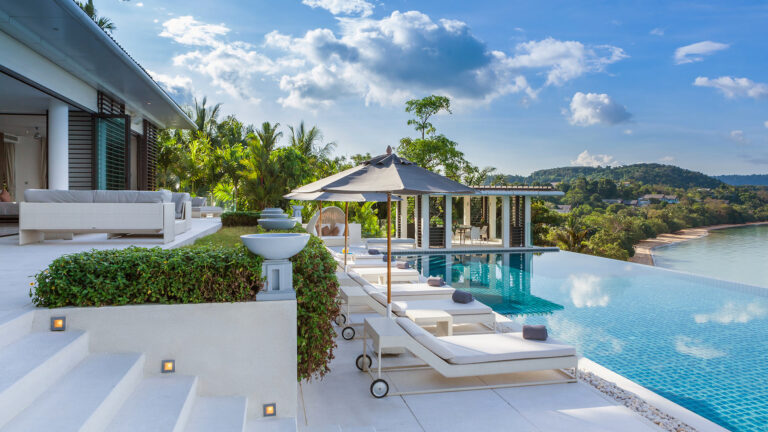
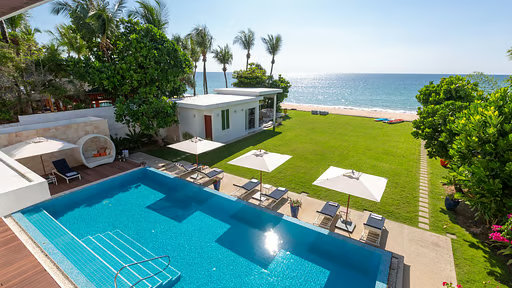
Modern Glass Pavilions: Maximize scenic views. Suffer from high solar heat gain.
-
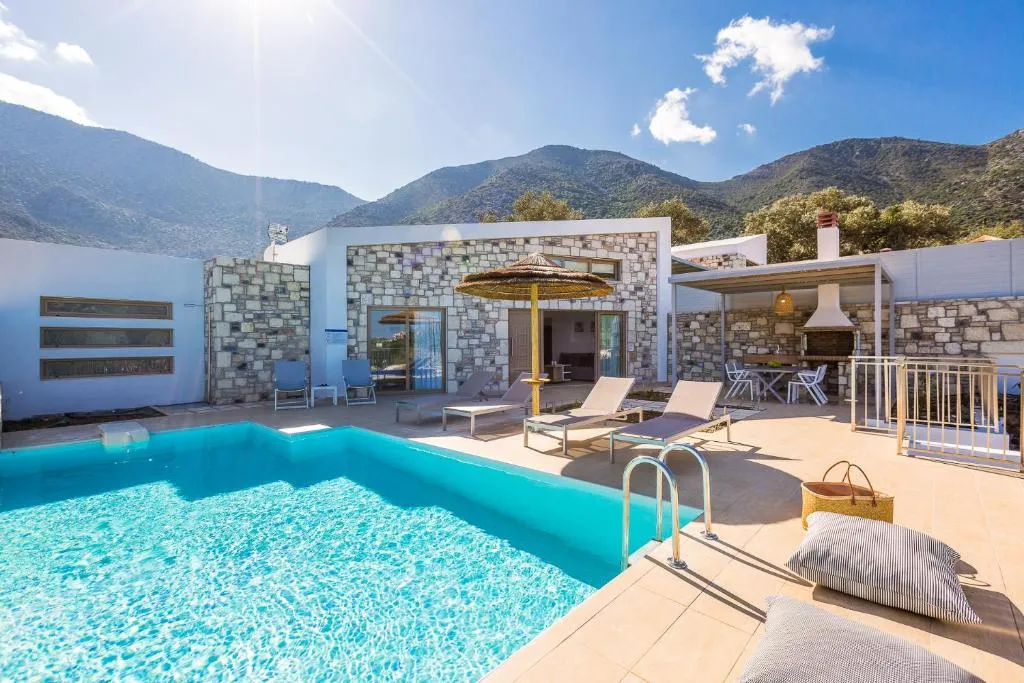
Restored Historical Fincas: Offer excellent passive cooling. Often feature outdated plumbing infrastructure.
-
Cliffside Retreats: Provide natural security barriers. Present severe mobility challenges due to vertical layouts.
-
Beachfront Compounds: Deliver immediate water access. Require constant maintenance due to saline corrosion.
-
Alpine Chalets: Feature robust construction. May lack adequate cooling systems for unusually warm weather.
-
Island Enclaves: Guarantee ultimate seclusion. Rely entirely on complex, vulnerable supply chains.
Comparative Matrix Analysis
Decision Logic Protocol
Selecting the correct category relies on aligning occupant profiles with structural realities. Multi-generational families should bypass cliffside retreats. Executives requiring high bandwidth must avoid remote island enclaves lacking satellite redundancy. Logic must override aesthetic temptation.
Detailed Real-World Scenarios
The High-Security Diplomatic Retreat
A diplomatic delegation requires a facility for a four-week summit. The primary constraint is physical perimeter control. An isolated mountain estate is selected over a prominent beachfront property. The failure mode here would be a disruption in encrypted communication networks due to the remote topography.
Multi-Generational Family Extended Stay
A family of fourteen plans a two-month coastal residency. Accessibility serves as the primary decision point. A sprawling, single-story agrarian estate is prioritized to accommodate elderly members. Second-order effects include the need for extensive daily transport to coastal recreation areas.
Corporate Executive Isolation
A technology leader demands absolute privacy combined with enterprise-grade digital infrastructure. An island enclave is actively evaluated. The limiting constraint involves the local power grid’s stability. Independent solar arrays and heavy-duty battery backups become mandatory prerequisites.
The Event-Hosting Compound
An estate is required to host frequent, large-scale social gatherings. Acoustic isolation and commercial-grade catering facilities are prioritized above all else. A historic property with substantial acreage is chosen. The primary risk involves violating strict municipal noise ordinances during late-night events.
Planning, Cost, and Resource Dynamics
Direct Capital Outlays
The base leasing fee represents only a fraction of the total capital required. Holding deposits, advance provisioning allowances, and local taxation must be calculated precisely. These direct costs fluctuate wildly based on peak season timing.
Indirect and Hidden Liabilities
Utility surcharges present a significant hidden cost. High-capacity cooling systems consume massive amounts of electricity. Staff gratuities, daily provisioning markups, and private transport fees compound the financial burden. Opportunity costs arise when a poorly selected property disrupts professional obligations.
Financial Range Projections
Tools, Strategies, and Support Systems
Specialized Procurement Agencies
Off-market portfolios are accessed exclusively through specialized brokers. These agencies systematically bypass public listing platforms. Their limitation is a tendency to favor properties within their own closed, proprietary networks.
Independent Structural Audits
Before finalizing any agreement, an independent contractor should inspect the premises. Mechanical networks and structural boundaries are tested under load. This strategy prevents unexpected system failures during the residency.
Advanced Digital Modeling
Sun-path analysis tools simulate solar gain across the property. This determines if certain rooms will become uninhabitable during afternoon hours. The limitation is that these digital models cannot account for sudden, anomalous weather events.
Local Legal Counsel
Regional zoning laws regarding short-term rentals change frequently. Retaining local legal counsel ensures the leasing agreement complies with current municipal regulations. This protective measure prevents abrupt tenancy terminations.
Dedicated Supply Chain Managers
Remote properties require dedicated logisticians. These professionals manage the procurement and transport of specialized provisions. Their effectiveness is entirely limited by the reliability of regional transport infrastructure.
Satellite Redundancy Networks
High-net-worth individuals rely on portable satellite internet terminals. These systems provide critical backup when local fiber networks fail. Their bandwidth can occasionally be restricted by heavy cloud cover or severe storms.
Risk Landscape and Failure Modes
Systemic Mechanical Failures
Air conditioning compressors frequently burn out during prolonged heat waves. When municipal water pressure drops, domestic filtration systems immediately stall. These mechanical failures instantly degrade the living experience.
Ecological and Environmental Shifts
Unpredictable environmental factors pose severe risks to seasonal enjoyment. Sudden algae blooms can ruin private beachfronts overnight. Unseasonal storms damage outdoor living spaces and disrupt essential supply lines.
Security Perimeter Breaches
High-profile occupants attract unwanted, sophisticated surveillance. Drones can easily breach basic visual privacy barriers. Insufficient digital security on the property’s local network exposes sensitive communications to interception.
Governance, Maintenance, and Long-Term Adaptation
The Occupancy Governance Protocol
Maintaining a seamless experience requires strict daily governance. Staff routines must be meticulously scheduled. Maintenance tasks should be executed invisibly, thereby minimizing disruption to the residents.
Continuous Review Cycles
The property manager must conduct weekly audits of all critical systems. HVAC refrigerant levels are monitored closely. Desalination filters are replaced proactively before output quality noticeably degrades.
Layered Adaptation Checklist
-
Confirm backup generator fuel levels twice weekly.
-
Run daily diagnostics on secure wireless networks.
-
Inspect perimeter sensor arrays for environmental blockages.
-
Audit advance provisioning inventories every 48 hours.
Measurement, Tracking, and Evaluation
Leading and Lagging Indicators
Leading indicators predict potential future disruptions. A slight drop in water pressure is a leading indicator of an impending pump failure. Lagging indicators confirm past performance, such as reviewing the total utility consumption at the end of the month.
Documentation Frameworks
Evaluating a property’s success requires formal documentation.
-
The Pre-Arrival Technical Baseline: A document recording the status of all mechanical systems 24 hours prior to occupancy.
-
The Daily Incident Log: A strict record of any service interruptions, regardless of duration.
-
The Final Efficacy Report: A comprehensive post-occupancy evaluation used to inform future leasing decisions.
Common Misconceptions and Oversimplifications
Dispelling Market Myths
When clients attempt to compare summer villas, they often fall prey to persistent industry myths. Correcting these misconceptions is vital for proper architectural planning.
-
Higher price equals better reliability. Cost correlates with prestige, not necessarily mechanical resilience. Older estates often command premium rates despite fragile plumbing networks.
-
Beachfront is always optimal. Coastal proximity increases exposure to corrosive salt air. Elevated inland properties frequently offer better breezes and superior privacy.
-
Marketing photos reflect current reality. Images are typically captured during ideal atmospheric conditions. They rarely show adjacent construction or seasonal foliage loss.
-
Included staff means comprehensive service. A standard house staff cannot manage complex culinary or security demands. Specialized personnel must be sourced independently.
-
Remote implies quiet. Isolated agricultural areas often lack noise ordinances. Local farming or maritime activities can generate significant early-morning disruption.
-
Smart homes are foolproof. Complex automation systems require constant firmware updates. A minor software glitch can disable lighting and climate controls entirely.
Ethical, Practical, or Contextual Considerations
Environmental Stewardship
Operating massive seasonal estates consumes extraordinary resources. The carbon footprint of cooling large glass pavilions is immense. Ethical occupants prioritize properties with integrated solar arrays and robust water recycling systems.
Local Economic Impact
The influx of ultra-wealthy residents strains local economies. Housing shortages for local workers are exacerbated by the short-term rental market. Responsible leasing involves engaging properties that support fair labor practices and contribute to the local tax base.
Conclusion
Synthesizing the Evaluation Matrix
The process used to compare summer villas requires rigorous intellectual honesty. Aesthetic preferences must be subordinated to structural realities. A property is ultimately only as valuable as its weakest mechanical link.
Final Analytical Judgments
True luxury lies in operational resilience. Properties that anticipate and mitigate environmental stress provide superior sanctuaries. Stakeholders who apply this analytical framework will secure environments that function flawlessly under peak seasonal pressures. Adaptability remains the ultimate metric of a successful seasonal estate.